






Compatible Projector Brands: Benq / EPSON / Sony / Hisense / SAMSUNG / LG / AWOL VISION / Formovie / Nexigo / XGIMI
Filters
9 products


 Extra 5% OFF
-
 24-48 Hours Dispatch
-
 In Stock and Ready to Ship
 Extra 5% OFF
-
24-48 Hours Dispatch
-
In Stock and Ready to Ship

 Extra 5% OFF
-
24-48 Hours Dispatch
-
In Stock and Ready to Ship
 Extra 5% OFF
-
24-48 Hours Dispatch
-
In Stock and Ready to Ship

 Extra 5% OFF
-
24-48 Hours Dispatch.
-
In Stock and Ready to Ship
 Extra 5% OFF
-
24-48 Hours Dispatch
-
In Stock and Ready to Ship
 Extra 5% OFF
-
24-48 Hours Dispatch
-
In Stock and Ready to Ship

-
24-48 Hours Dispatch
-
In Stock and Ready to Ship
 Extra 5% OFF
-
24-48 Hours Dispatch
-
In Stock and Ready to Ship
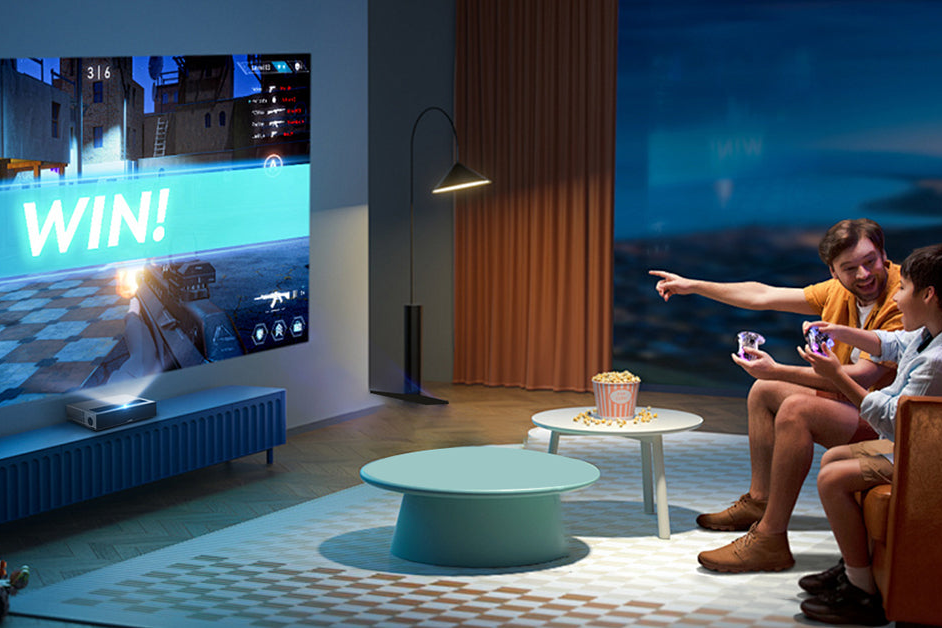
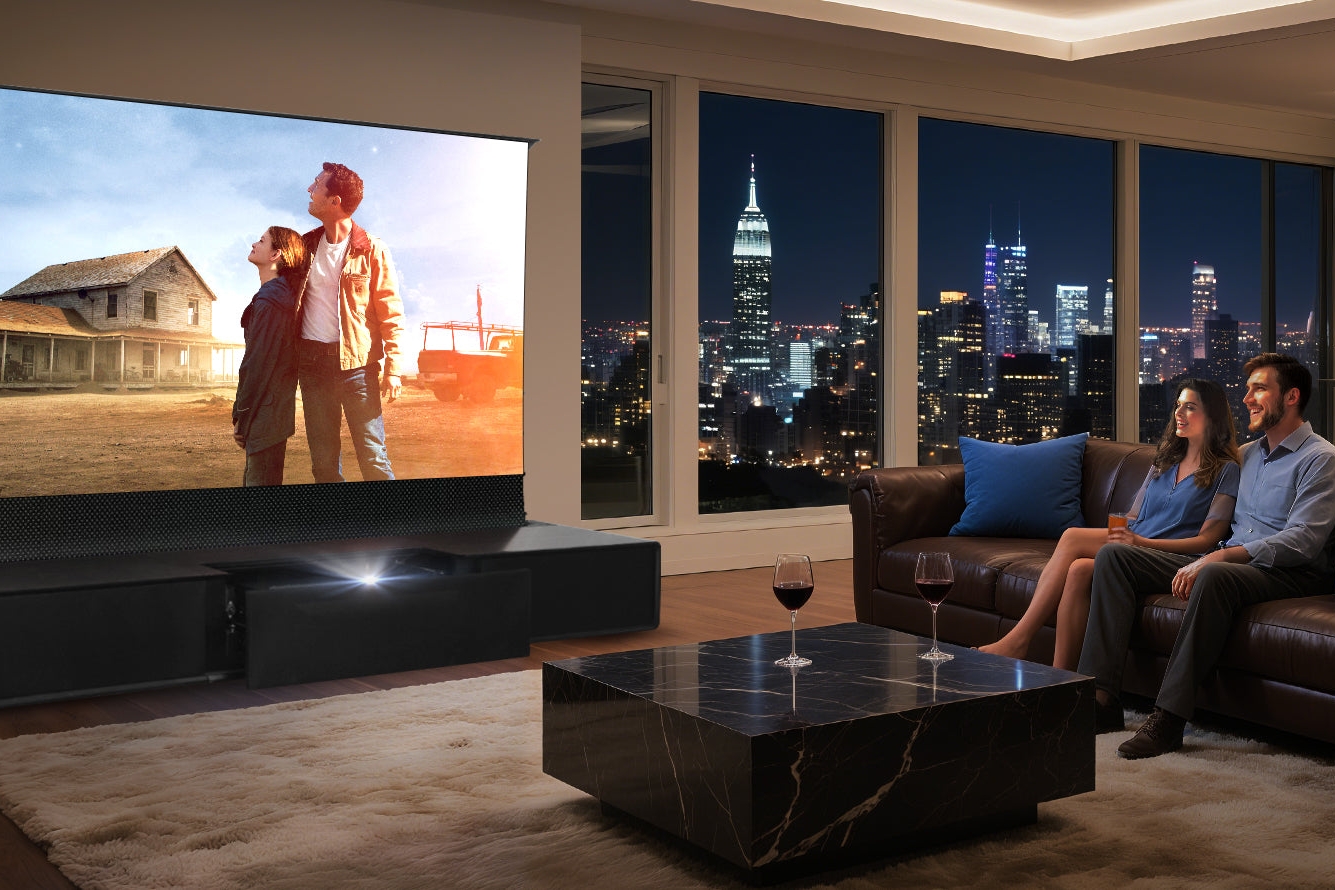
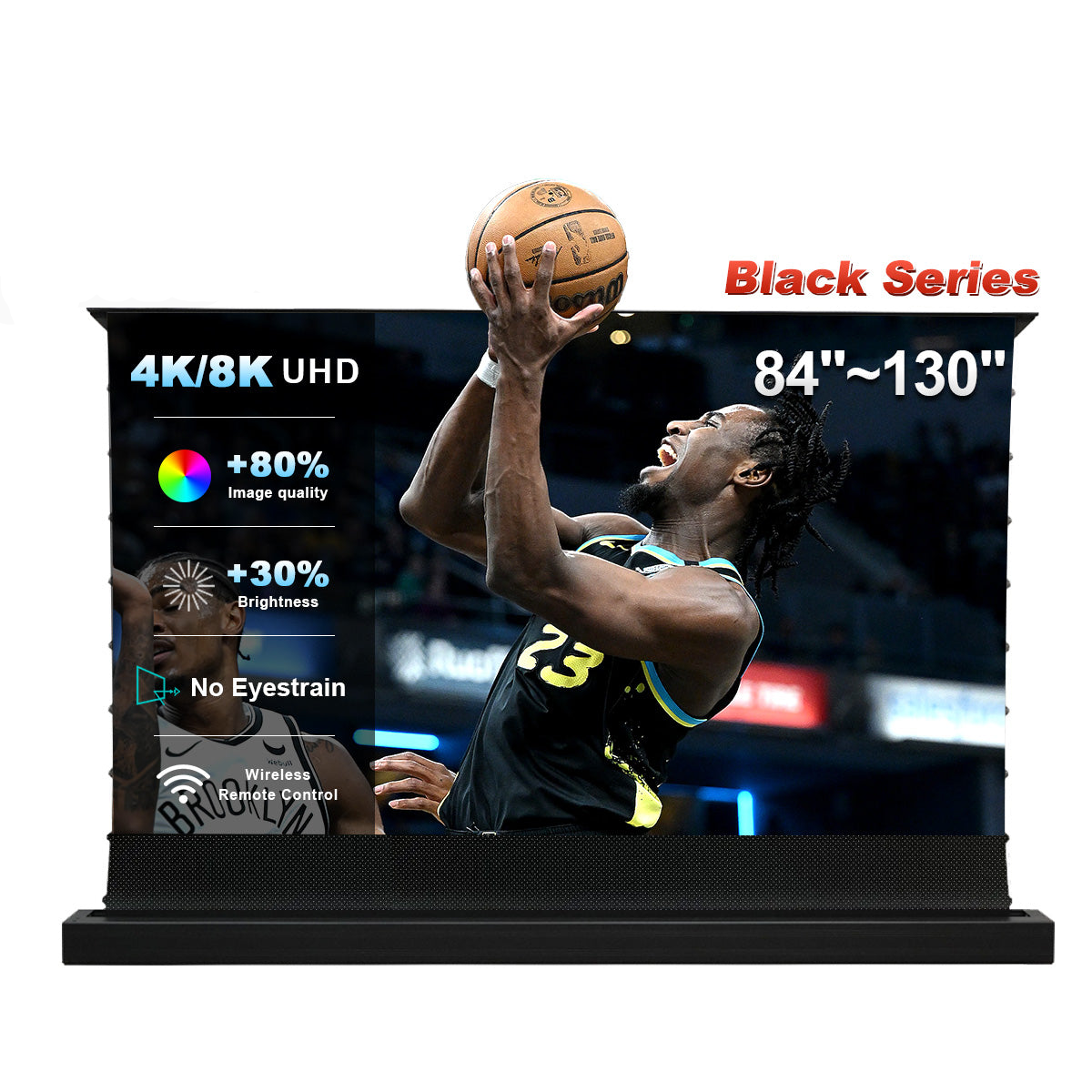
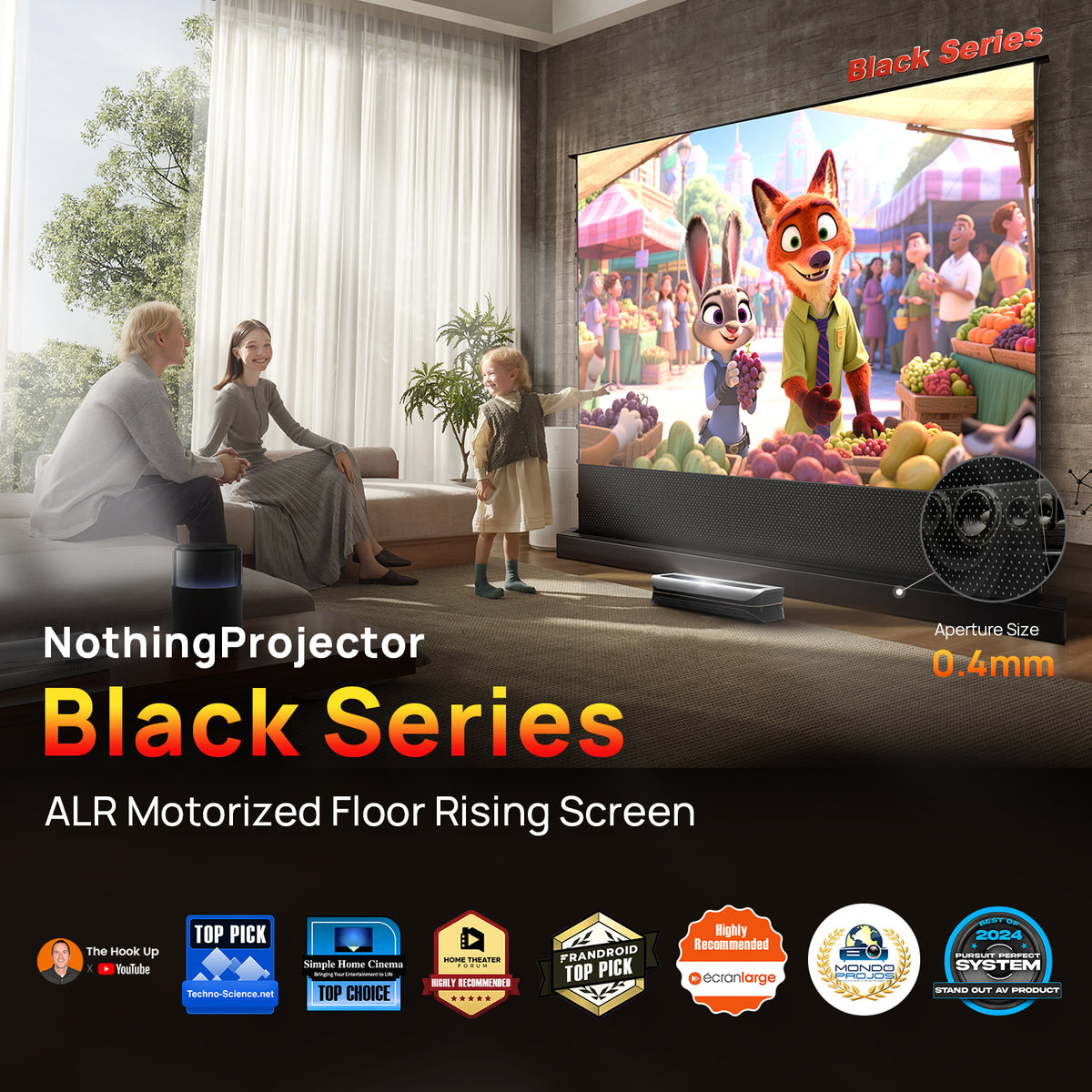
Step into the ultimate dark room experience with the NothingProjector Black Series. Designed to deeply absorb overhead light and dramatically enhance contrast, these screens rival the high-end offerings from Spectra Projection and Elite Screens. Enjoy deeper blacks, vibrant colors, and cinematic immersion at an unbeatable value.
What Experts are Saying


Projector vs. TV: Which is Better for Your Home?
If you're debating between a home projector and a traditional TV, here’s why a projector might be the ultimate upgrade for your space:
Top 5 Advantages of Home Projectors
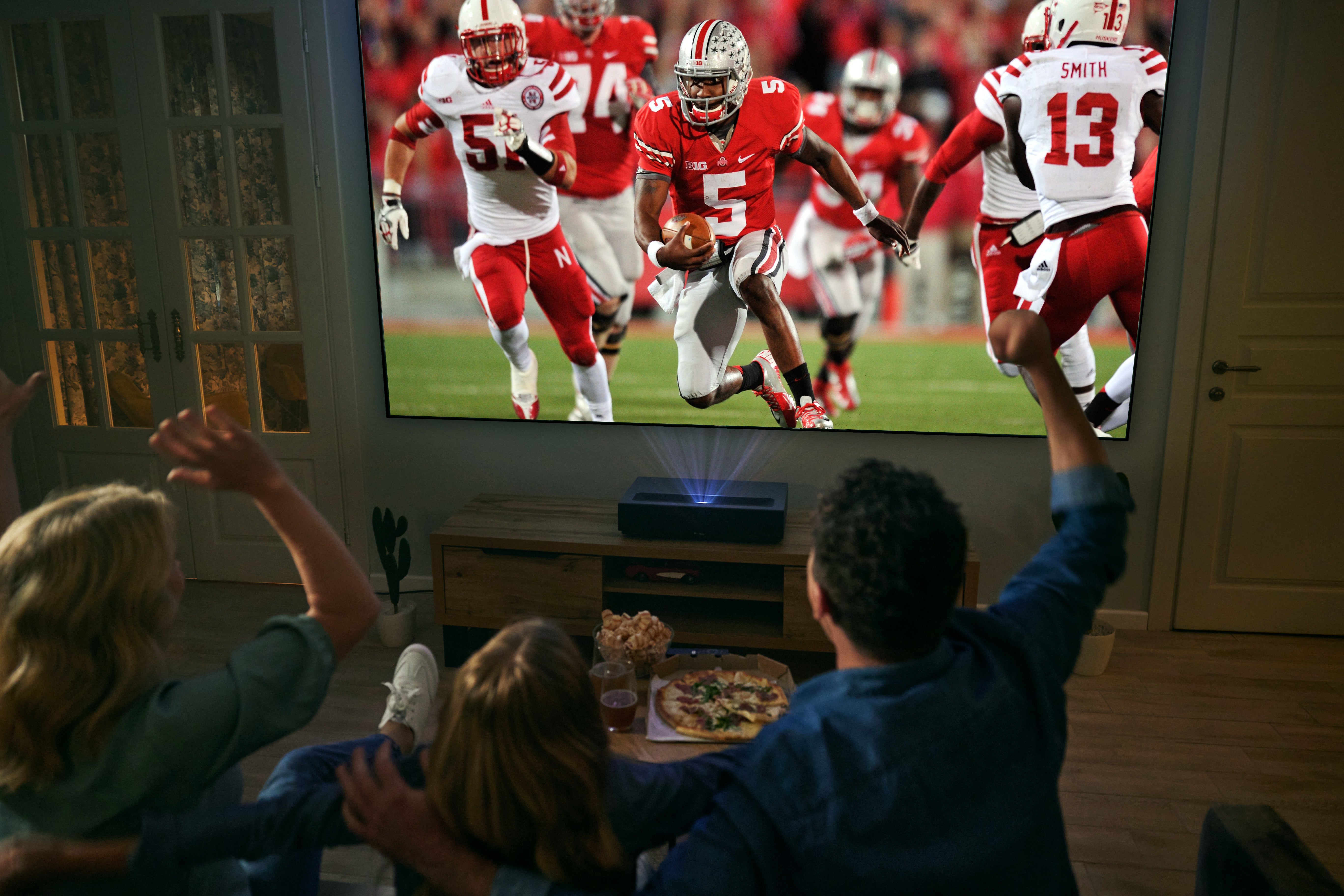
- Cinematic Screen Size (100"+):Projectors deliver theater-scale screens (120"+), while even premium TVs max out at 85". Perfect for movies, sports, and gaming immersion.
2. Eye Comfort & Low Blue Light:Projectors reflect light (like real-world visuals), reducing eye strain vs. TVs’ direct LED/OLED glare—ideal for kids and long viewing sessions.
3. Space-Saving & Flexible:Ultra Short Throw (UST) projectors need just inches from the wall (vs. TVs’ bulk). Motorized screens hide when unused for a clean look.
4. 4K/HDR on a Budget:A $1,500 projector can rival a $3,000+ 85" TV in image quality. ALR screens enhance contrast even in lit rooms.
5. Portable & Multi-Room Use:Move a projector between rooms (or outdoors) for movie nights—no wall-mounting hassles.
When to Choose a TV Instead:
- Bright rooms with no light control (unless using an ALR screen).
- Daily casual viewing (e.g., news, background TV).
- OLED lovers (for perfect blacks in dark rooms).
The Verdict?
✅ Projectors win for: Home theaters, gamers, families (eye-safe), and those craving big-screen thrills.
✅ TVs win for: Plug-and-play simplicity in bright living rooms.
Ready to Dive In?
Explore our UST projectors & ALR screens for a theater-like experience at home:
Pro Tip: Pair a 4K UST projector (e.g., Samsung LSP9T, Hisense PX3 pro.Xgimi AURA 2) with an ALR screen for daytime viewing!
If you're still debating between a Projector and TV: Which is Best for Your Home? Maybe The Ultimate Buyer's Guide will be helpful.


Customer Guide for SelectingProjector Screens
1. What is an ALR Screen? Why Choose It?
An ALR (Ambient Light Rejecting) screen is a type of screen that uses optical structures to reflect light coming from the direction of the projector while absorbing or deflecting ambient light
from other directions. This technology helps maintain contrast and clarity in the image.
Why Choose an ALR Screen?
- Clear Viewing During the Day: Can be viewed clearly without turning on lights.
- Lower Black Levels: Produces deeper blacks and more vibrant colors.
- Ideal for Bright Environments: Especially suitable for living rooms and semi-open spaces.
Recommended Models:
- Nothing Projector Black Series
- PET Crystal
- Fresnel Screen


2. How to Choose the Right Projector Screen?
✅ Gain Value
The gain value measures a projector screen's ability to reflect light, typically ranging from 0.6 to 1.5. Higher gain values (e.g., 1.2–1.5) are suitable for spaces with ambient light, enhancing image brightness. Lower gain values (e.g., 0.6–1.0) are better for dark environments, improving black levels and contrast for a more immersive viewing experience.
✅ Screen Thickness
The thickness of projector screens varies depending on the material and type, typically ranging from 0.3mm to 1mm.
Common Screen Thickness Range:
- 0.3mm–0.5mm: Common in portable or budget screens. Lightweight but prone to wrinkles or deformation.
- 0.6mm–0.8mm: Often used in mid- to high-end tensioned or ambient light rejecting (ALR) screens, offering good flatness and durability.
- 1mm and above: Considered thick screens, used in high-tension frame screens or ALR screens with enhanced performance. Excellent flatness, ideal for premium home theaters.
Recommended Thickness: For home theaters or high-quality projection setups, a thickness of 0.8mm to 1mm is generally ideal. It provides better tension, minimizes ripples, and ensures stable image quality over time.
✅ Screen Structure
The frame structure of a projector screen plays a key role in overall stability. Compared to plastic or lightweight metals, aluminum frames are more durable and resistant to deformation, offering better long-term support and helping the screen remain flat—ideal for users seeking higher image quality and longevity.


✅ Size Selection
Choose based on viewing distance:
- Distance of 2-3 meters: Recommended size is 84-100 inches
- Distance of 3-4 meters: Recommended size is 100-120 inches
- Distance over 4 meters: Recommended size is 120-150 inches
✅ Aspect Ratio
16:9 is ideal for most movies and shows. 4:3 fits older content, 2.35:1 suits movie lovers, and 16:10 works well for monitors and presentations. Choose based on room size and viewing distance.
✅ Special Features
ALR (Ambient Light Rejecting) Feature: Enhances viewing experience during the day or in well-lit environments.Acoustic Transparent Screen: Allows sound to pass through the screen, making it more suitable for hidden audio systems.
Tips: Avoid using bedsheets or walls: These do not reproduce true picture quality and can affect the viewing experience.
✅ Should the Screen be Bundled with the Projector?
Typically, bundling can provide greater discounts and better compatibility. Multiple packages from Nothing Projector support discounts.
✅ Fixed Screen vs. Retractable Screen
The fixed frame screen is suitable for dedicated home theaters, offering a professional appearance, stable image, and good tension, but it requires drilling for installation and takes up space. The electric lift screen is ideal for multifunctional spaces, as it can be hidden at any time, making it convenient and practical, although its tension is slightly weaker than that of the fixed frame screen.
✅ Screen Material Selection
Strong ambient light rejection, very high contrast, but narrow viewing angle (about 70-100°)
Wide viewing angle (150-180°), good ambient light rejection, cost-effective
Moderate ambient light rejection, affordable price
3. Comparison of Different Screen Types
Wall-mounted
$464
About 20 minutes
Freestanding
$1399
Ready to use
Ceiling/wall-mounted (4 methods)
$1452
About 10 minutes
4. Why Choose Nothing Projector Screen?
Our Services
✅ 45-DAY Price Match
We guarantee the best price. If you find the same model at a lower price from an authorized retailer within 45 days of your purchase, we’ll match it and refund the difference.
✅ 14-Day Trial
Try the screen at home worry-free. If you're not satisfied within 14 days of delivery, return it in original condition for a full refund.
✅1 Year Hassle Free Warranty
All Nothing Projector screens are covered for one year against manufacturing defects and performance issues. We’ll repair or replace it with no hassle.
✅ Free Lifetime Tech Support
Our expert support team is here to help anytime, before or after your purchase. From installation advice to product recommendations, we've got you covered for life.
✅ Fast Shipping & Free Delivery
Most of our screens ship within 48 hours and include free delivery.
About Our Products
- Diverse Screen Selection: We offer a wide range of screen types, including fixed-frame, floor-rising, and screens for both long-throw and short-throw projectors.
- Premium Materials: Made with top-grade light-rejecting materials such as CBSP, PET Crystal, Fresnel, and HBSI TPU, designed for high-performance viewing.
- Multifunctional & Wide Viewing Angles: Compatible with 4K, 8K, and 3D projectors, with viewing angles up to 180° for an immersive experience from any seat.
For more detailed and professional guidance on choosing a projector screen, please click here.
If you have any questions, please contact our customer service team to solve it for you.
FAQs About Black Series ALR Screens
What is an ALR screen, and do I really need one?
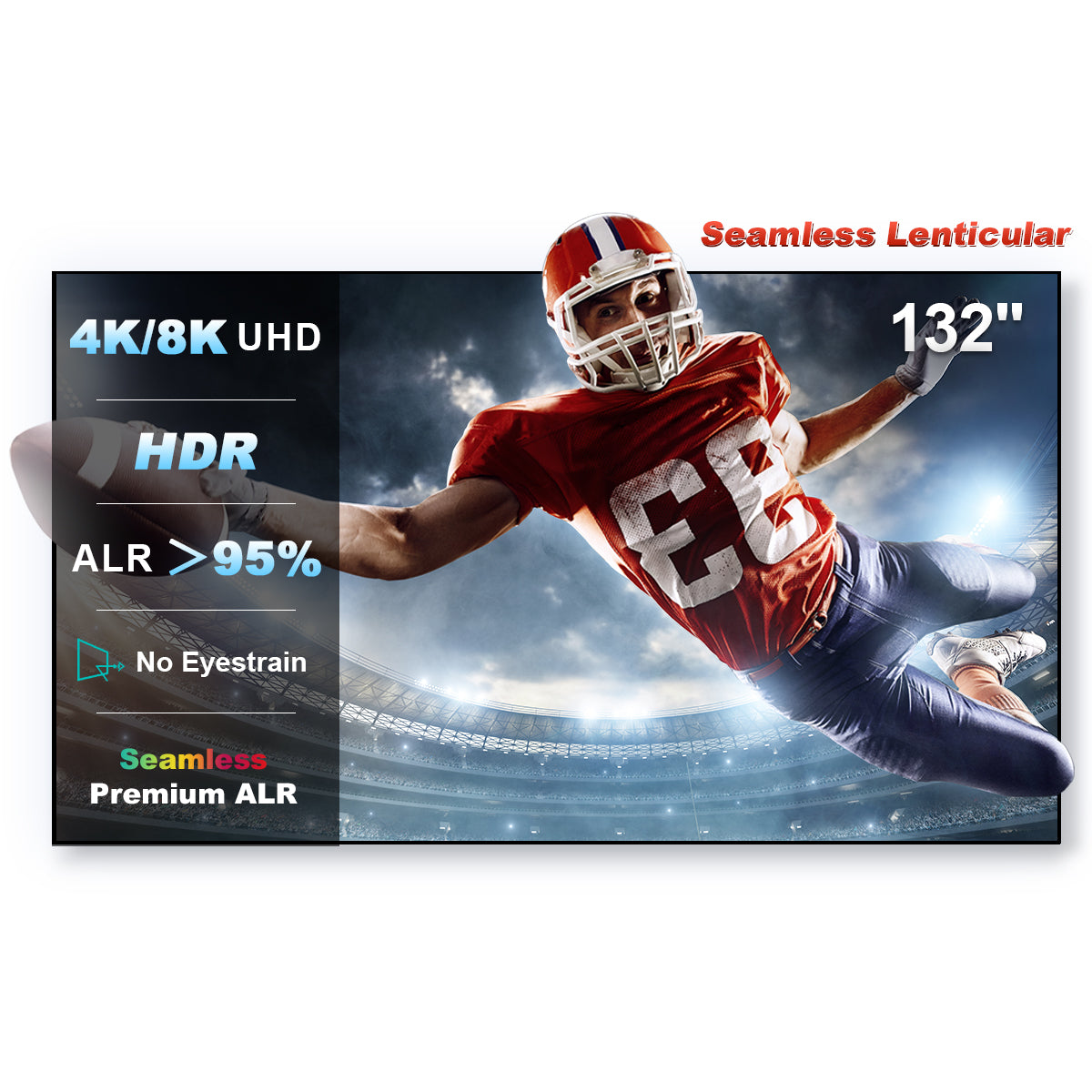
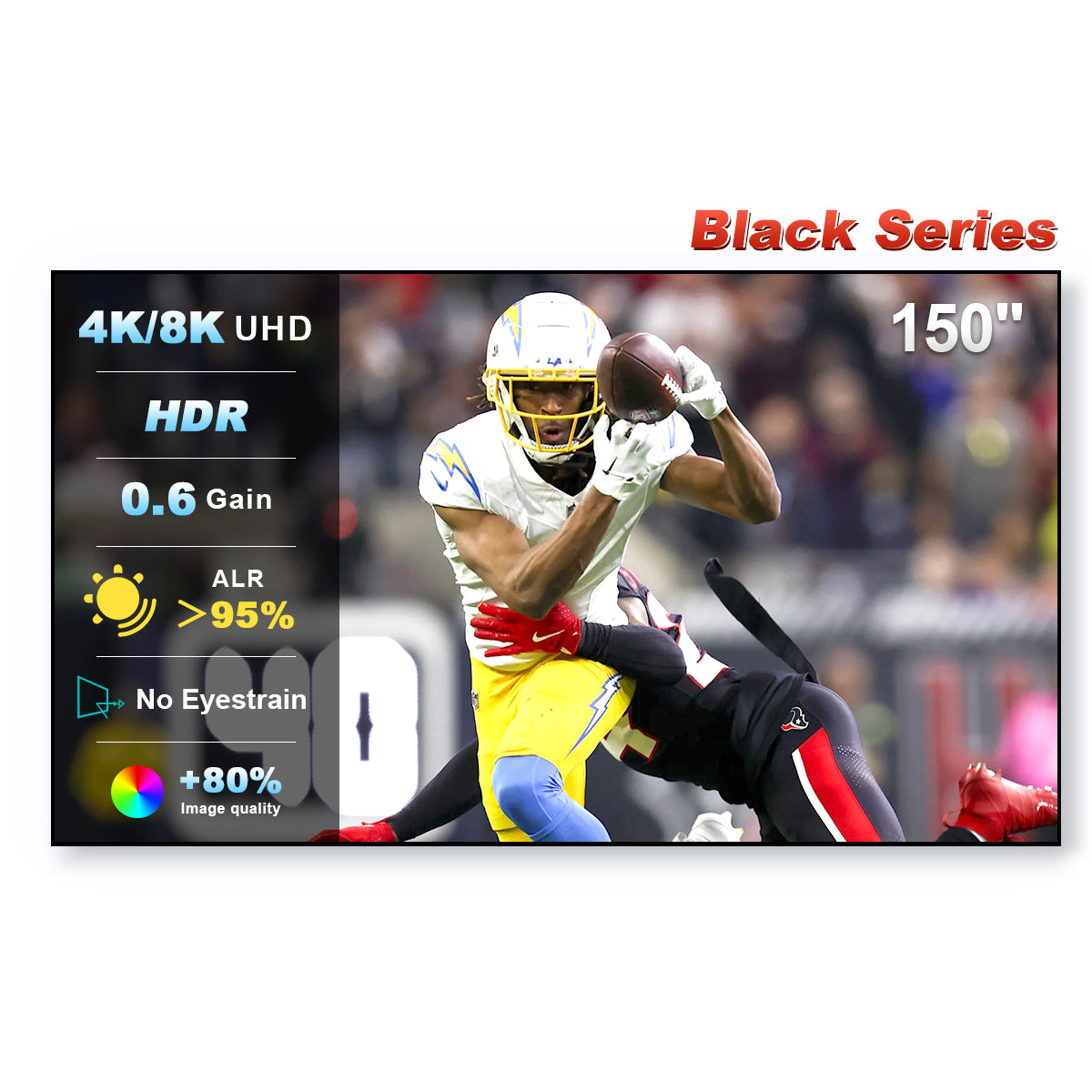
ALR (Ambient Light Rejecting) screens use optical structures to reflect your projector's light toward viewers while rejecting ceiling and side light. If you watch in a living room with lights on or during the day, an ALR screen like our Black Series (95% ambient light rejection) makes a dramatic difference compared to a plain white wall or standard screen.
What's the difference between ALR and CLR screens?
CLR (Ceiling Light Rejecting) screens are designed for ultra short throw projectors, blocking light from above while reflecting the projector's upward-angled beam. ALR is the broader category covering both UST and long throw setups. Black Series UST screens use CLR lenticular technology; our long throw models use ALR optics tuned for front projection.
Can I use a Black Series screen with any projector?
It depends on the model. Our UST screens are engineered for ultra short throw projectors (0.25:1 or similar throw ratio) and are not recommended for standard throw. For long/standard throw projectors, choose the Black Series long throw ALR models. Check the throw type listed on each product page before ordering.
What size screen should I choose — 100", 120", or 132"?
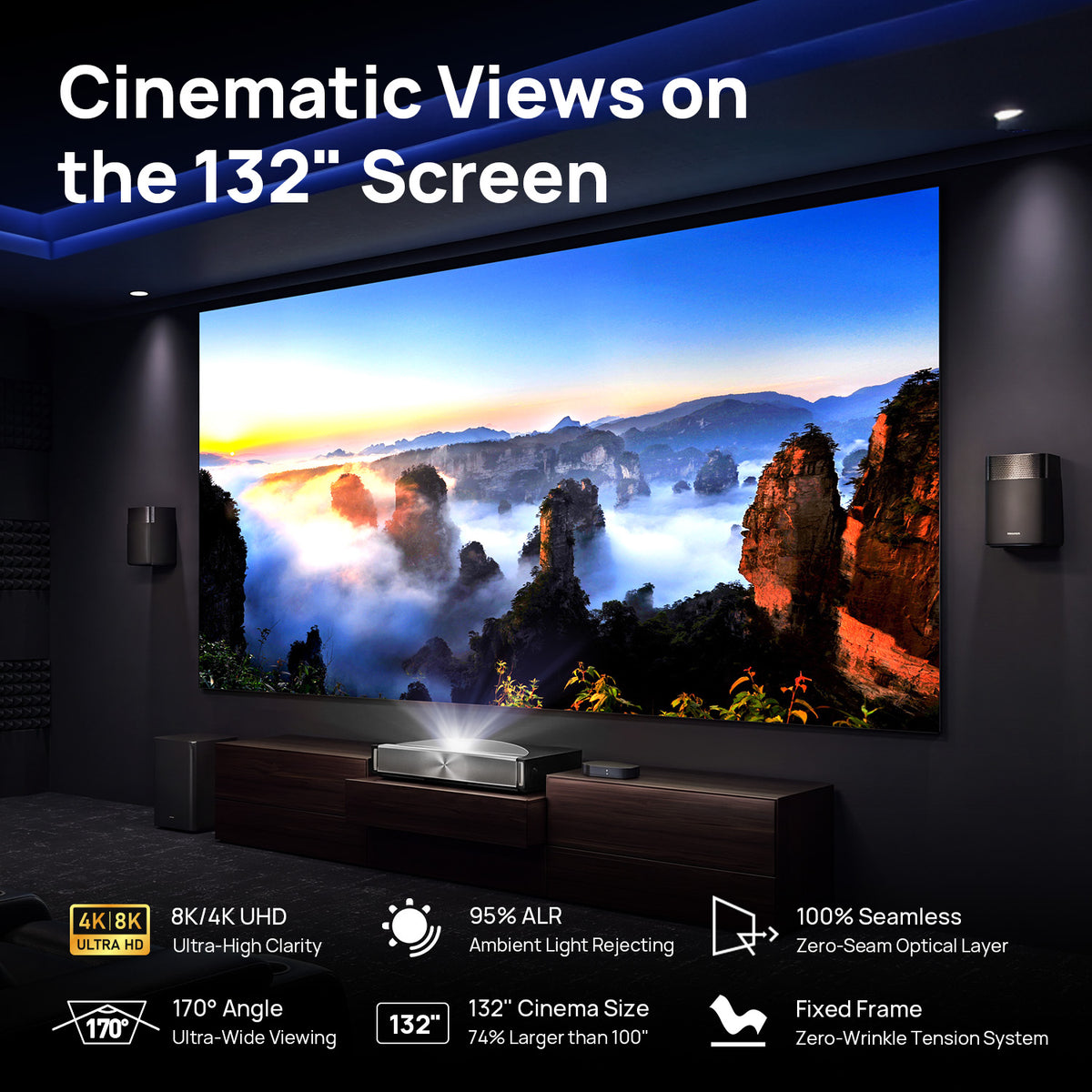
Match the size to your viewing distance and wall space. A common rule: viewing distance ÷ 1.2–1.6 ≈ screen diagonal. For most living rooms, 100"–120" hits the sweet spot (roughly 2.5–3.5 m viewing distance). The 132" seamless model suits larger dedicated spaces.
Fixed frame vs. motorized floor rising vs. drop down — which is right for me?
Fixed frame screens deliver the flattest surface and best value if you have a dedicated wall. Motorized floor rising screens disappear into a cabinet when not in use — ideal for multi-purpose living rooms. Drop down screens mount on the wall or ceiling and retract electrically, great when a TV already occupies the wall.
Can I watch during the day with a Black Series screen?
Yes — that's exactly what they're built for. With 95% ambient light rejection, Black Series screens keep contrast and color punch even in daylight or with room lights on. For the brightest rooms, pair with a projector of 2,000+ lumens for best results.
Is a Black Series screen better than projecting onto a white wall?
Significantly. A white wall scatters light in all directions, washing out contrast and colors in any ambient light. Black Series optical screens focus light toward the audience and reject off-axis light — most users describe the difference as "going from a washed-out picture to an actual TV-like image."
Do Black Series screens support 4K, 8K, and 3D?
Yes. All Black Series screens feature optical-grade surfaces that resolve full 4K and 8K detail without texture interference, and they support active 3D projection and HDR content.